


What Are Nurse Call Systems?
About Nurse Call Systems
What Are Nurse Call Systems Systems?
Nurse Call Systems, sometimes called Emergency call systems, are specialized electronic healthcare systems used for communications between patients and medical staff in hospitals, care homes, senior living communities, rehabilitation facilities, and skilled nursing environments. Nurse Call Systems need to meet specific standards and requirements to ensure reliability.
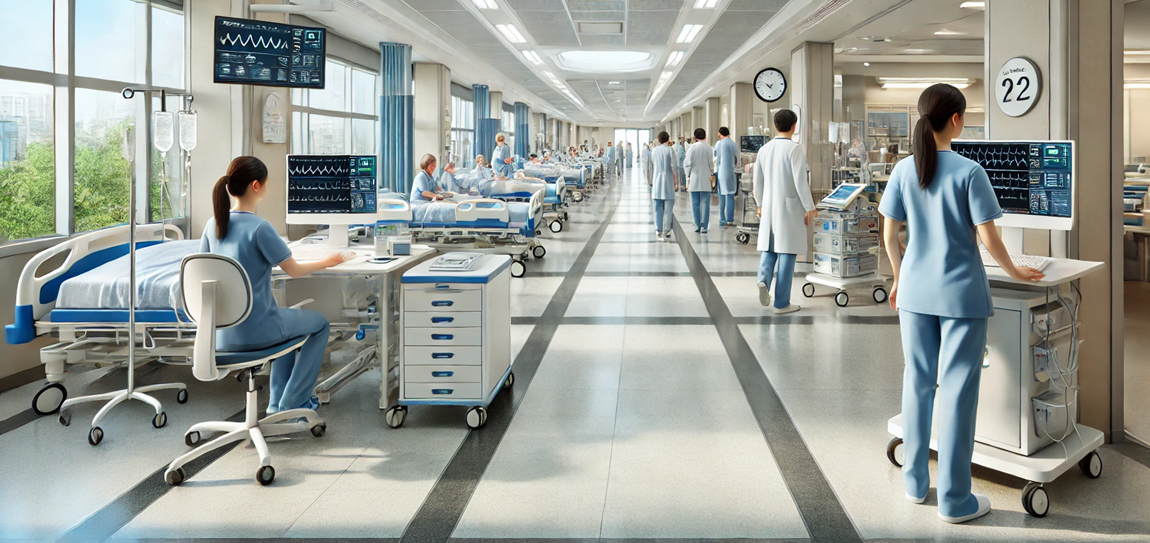
In hospitals, acute care facilities, and many nursing homes facilities, These nurse call systems must comply with UL1069 requirements. This documentation is called, "Hospital Signaling and Patient Alert Equipment." This standard complies with relevant sections of NFPA70 Electrical Code and NFPA99 Medical Facility Code. NFPA 101 Safety Code sections 18.1.1.1.2 and 3 establish the basic requirement for these systems by defining a hospital as a building "where occupants sleep but cannot reasonably evacuate themselves during emergencies." These Nurse Call Systems need to meet these code requirements as standardized emergency notification systems for patients.
Acknowledging their critical role in patient care, the FDA classifies these systems as Class I medical devices when they electronically move, store, transform, or show medical equipment data. The FDA refers to such systems as Medical Device Data Systems (MDDS). Rauland Responder and Ascom Telligence exemplify FDA-registered communication systems. As noted by the FDA, modern patient alert systems are expanding beyond basic patient-staff communication to include connections with VoIP, Location Tracking Systems, Vital Sign Monitoring, and Smart Bed integration to predict and warn before patient falls occur. Some systems feature reporting tools and statistics about Staff Efficiency, Bedside Time, and Response Speed. These communication networks are combining patient-staff interaction capabilities while enabling new Quality Procedures and Workflow Enhancements supporting patient care. The communication system specialists at BEC Integrated Solutions thoroughly understand how these systems integrate with other technologies to improve patient care.
Where Are Nurse Call Systems Required?
In most states, the Authority Having Jurisdiction (AHJ) makes the final determination on exactly where these Nurse Call Systems are required. In many areas the State Health Department or Joint Commission (JCAHO) mandates the patient alert system in care Hospitals, Nursing Homes etc. This requirement comes from NFPA 101 Safety Code sections 18.1.1.1.2 and 3.
Medical facilities choose to install these nurse call systems even where code does not require them to be employed. The systems can certainly help with patient safety and better workflow for caregivers. Because these systems make differences in patient care and workflow, it does help when it comes to agencies that are rating hospitals, Assisted Living, independent living and other types of facilities quality of care. With these systems installed, they do make a difference in the overall rating being provided by these agencies. Comparing UL1069 and UL2560 Standards
Comparing UL1069 and UL2560 Standards
The difference between nurse call systems being used by hospitals and many skilled Care nursing homes is that they are UL1069 where many assisted living facilities and independent living facilities comply with UL2560. Both systems are very similar when it comes to how they work and the features that they offer. However, they do follow different standards and UL1069 requirements are much more stringent than they would be with a UL2560.
With that being said it is still important to understand that there are differences. With a UL2560 system, you are required to integrate backup power which is not something that is required with a UL1069 listed system. UL-2560 also has additional testing requirements like water submission tests and minimum volume standards for audio. It also sets guidelines on safety concerns related to non-acute care environments. This results in unique testing requirements different than what would be required with a UL-1069 listed system.
UL-1069 includes numerous safety standards like maximum voltage and current leakage limits for oxygen-rich environments. It also requires visible alerts at patient room indicator lights, so systems without hallway indicator lights outside each patient room cannot achieve UL1069 compliance.
UL 1069 establishes that nurse call systems must have an audible alarm producing 90 dB ± 3 dB over 300 to 3000 Hz, with tactile feedback for call buttons and a recommended battery backup duration leaning towards a 15‑minute minimum.
NFPA 99 outlines response time thresholds with distinctions between immediate and urgent alarms, where immediate alarms require responses within 2 minutes (Fire-Gas) or 1 minute (CMS) and urgent alarms within 5 or 10 minutes, using a three-tier alarm prioritization system.
ADA Title III sets accessibility standards including a maximum call station height of 48 inches, a required luminance ratio of 70%, minimum call button dimensions of 2 in x 3.25 in, and a maximum activation force of 5 Newtons.
CMS mandates detailed documentation and inspection criteria, requiring that all alarm event logs, maintenance records, and backup power testing documents be retained for at least 5 years and that staff training records are thoroughly maintained.
FGI Guidelines and UL recommend robust data visualizations including real-time dashboards with graphical elements such as bar and line charts, using standardized color codes (e.g., Red for critical, Yellow for warnings, and Green for normal status) to monitor system performance.
Organizations We Work With
